Specialized PT for Kids: Improving Mobility and Function

When your child says their back hurts, you want to make them feel better fast. You might think to use ice or heat. But, back pain in kids can mean there’s something serious going on.
I remember a 15-year-old lacrosse player who came to my clinic with back pain. With physical therapy, they got better and could play sports again.
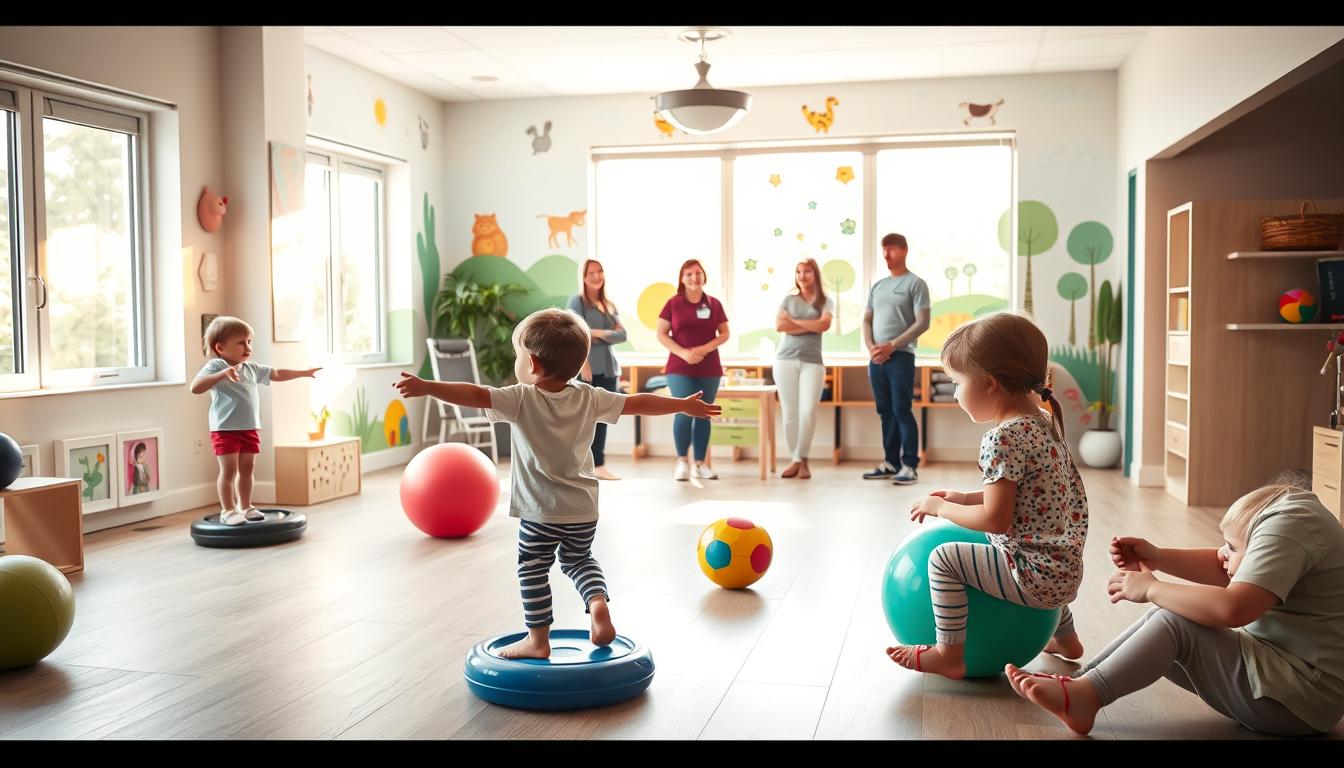
Pediatric physical therapy helps kids with delays, injuries, or disabilities. It’s important for kids to get the right care. This helps them reach important milestones and move better.
Key Takeaways
- Children with persistent back pain require professional attention.
- Specialized physical therapy can help kids regain mobility and function.
- Pediatric physical therapy is essential for overcoming developmental delays and injuries.
- Seeking professional help is crucial for a child’s overall development.
- Early intervention can significantly improve a child’s quality of life.
The Case of the Young Lacrosse Player
In my work as a physical therapist, one case really stands out. It’s about a young lacrosse player who had back pain for months.
Meet My 15-Year-Old FOGO Player
The young athlete, a 15-year-old Face-Off Specialist (FOGO) lacrosse player, had back pain. He loved the sport a lot, but the pain was a big problem.
Months of Unaddressed Back Pain
For months, the young lacrosse player’s back pain wasn’t fixed. It hurt his game and everyday life. Many young athletes and their families try to fix it with rest or pain meds.
What Our Initial Assessment Revealed
Our first check-up showed the pain wasn’t just muscle strain. We found deeper problems that needed a special physical therapy plan. We looked at his medical history, how he moved, and his strength.
| Assessment Component | Findings |
|---|---|
| Medical History | Previous injuries, family medical history |
| Movement Analysis | Abnormal movement patterns during lacrosse activities |
| Strength Testing | Weakness in core and lower back muscles |
Getting help early through physical therapy is key. It stops long-term problems, as studies show (Source: Third web source). This case shows why we need to get help fast to fix pain and avoid more issues.
The Parental Dilemma: When to Seek Professional Help
Many parents face a tough choice when their child gets hurt. They wonder if they should get help right away or wait. This choice is very important for their child’s health and recovery.
Common First Responses: Ice, Heat, and Wait-and-See
Parents often try ice or heat to help with pain and swelling. But these might not fix the real problem. Physical therapy for kids can help find and treat the real cause.
Some common first steps include:
- Applying ice to reduce swelling
- Using heat to relax muscles
- Adopting a wait-and-see approach, hoping the injury heals on its own
The Dangers of Delayed Intervention
Waiting too long for help can cause big problems. It can make recovery take longer, increase the chance of getting hurt again, and even cause lasting damage. Early intervention through physical therapy can help a lot by fixing problems early.
“Early intervention is key to preventing long-term damage and ensuring a speedy recovery for young athletes.” – Expert in Pediatric Physical Therapy
Balancing Busy Family Schedules with Health Priorities
Families are often very busy, making it hard to focus on health. But ignoring injuries can lead to bigger issues later. Prioritizing physical therapy for kids helps keep them healthy and lets them keep doing fun activities.
Red Flags in Pediatric Pain That Demand Attention
Pediatric pain worries parents a lot. Spotting red flags early is key for quick action. Knowing when to get help can help your child heal faster and stay healthy.
Distinguishing Between Growing Pains and Serious Issues
Growing pains are common in kids, mainly in the legs. But not all pains are okay. If your child’s pain doesn’t go away or is very bad, you should look into it more.
Warning Signs Specific to Adolescent Athletes
Teen athletes are at high risk for injuries. Look out for sudden pain, swelling, or trouble moving a limb. If your child has these signs after playing sports, get them checked out.
When Pain Affects Daily Activities and Sports Performance
If pain stops your child from doing daily things or playing sports, it’s a big sign. Physical therapy can help kids with pain. It helps them move better and do things they love again.
Pediatric physiotherapy helps kids with physical issues. It’s made just for them, at their age. This way, kids can get better and move well.
Physical Therapy for Kids: Why It Differs from Adult Treatment
Children are not just small adults. They need a special kind of physical therapy. Pediatric physical therapy helps kids reach important milestones in their growth.
Developmental Considerations in Growing Bodies
Children’s bodies change a lot. Their physical therapy must keep up with these changes. It’s all about helping them grow right.
Children’s bones, muscles, and joints are still growing. This means they move differently and can get hurt easily. Pediatric therapists know how to help with these issues.
Building Trust and Engagement with Young Patients
It’s hard to build trust with kids. But, pediatric physical therapists have special ways to do it. They make therapy fun and safe.
They use games and fun activities. This makes therapy a positive experience. It also helps kids like physical activity more.
Age-Appropriate Assessment and Treatment Approaches
How kids are assessed and treated depends on their age. Therapists use special tools to check where kids are developmentally.
Treatment plans change with the child’s age and needs. Young kids might play more, while older kids do exercises. It’s all about what’s best for each child.
Pediatric physical therapists make a big difference. They help kids reach their goals and overcome physical challenges.
The Lacrosse Player’s Journey: Diagnosis to Recovery
I’ve helped many young athletes, but one case really stands out. A 15-year-old lacrosse player had back pain that wouldn’t go away. His recovery journey was complex, finding the pain’s cause, making a treatment plan, and tracking his progress.
Identifying the Root Causes of His Back Pain
First, I had to find out why the young lacrosse player was in pain. I did tests to see how he moved, his muscle strength, and flexibility. This helped me find what was causing his pain.
Physical therapists make plans just for each child. They think about the child’s needs, age, and how they develop. For this player, knowing how lacrosse affects the body was key.
Creating a Personalized Treatment Plan
After finding the cause, I made a treatment plan just for him. It included manual therapy, exercises, and teaching him how to move right. The goal was to make his core stronger, improve how he moved, and let him safely play again.
The plan was flexible, so we could change it if needed. We checked on him often to see how he was doing and make any needed changes.
Tracking Progress and Adjusting Interventions
It was important to watch how the player was doing. We checked his pain, how well he could move, and his overall movement. This way, we could adjust the plan to help him reach his goals.
His recovery wasn’t easy, but with a good plan, he was able to beat his back pain. He came back to his sport even stronger.
Specialized Techniques in Pediatric Physical Therapy
As a physical therapist, I’ve seen how special techniques help kids get better. Pediatric physical therapy is all about knowing how kids grow and using special ways to help them. It’s a field that needs a lot of understanding and care.
Manual Therapy Adaptations for Children
Manual therapy is key for kids. It’s about using soft methods to help them relax, feel less pain, and move better. It’s very important to make it just right for each child.
Gentle techniques like moving joints and soft tissues are used. These help kids move better, feel less stiff, and heal faster.
“The goal of manual therapy in pediatric physical therapy is to create a safe and comfortable environment for children to recover and thrive.”
Therapeutic Exercise Programs for Different Age Groups
Exercise programs for kids aim to build strength, flexibility, and movement. These programs must fit the child’s age, needs, and abilities.
| Age Group | Exercise Examples | Goals |
|---|---|---|
| Infants (0-12 months) | Tummy time, sensory play | Promote motor development, strengthen neck and back muscles |
| Toddlers (1-3 years) | Balance activities, crawling, walking | Improve balance, coordination, and gross motor skills |
| Children (4-12 years) | Resistance band exercises, agility drills | Enhance strength, flexibility, and overall fitness |
Incorporating Play and Sports into Recovery
Making physical therapy fun and engaging is key. Using activities kids love helps them stay motivated and involved.
Play-based interventions include games, obstacle courses, and balance challenges. These help improve motor skills and physical function.
By using special techniques and making therapy fun, physical therapists help kids recover. They work to make sure kids can move well and function at their best.
Improving Mobility and Function in Young Athletes
As a physical therapist, I’ve seen how better mobility and function help young athletes succeed. Pediatric physiotherapy boosts their mobility, balance, and coordination. These are key for sports performance.
Sport-Specific Movement Assessments
Doing sport-specific movement assessments is key. They show where young athletes need to get better. This lets physical therapists create plans just for them.
For example, a young lacrosse player might need to show off their quick turns, sprints, and throws. Physical therapists can then find and fix any problems that slow them down.
Building Core Stability and Proper Biomechanics
Having a strong core and right biomechanics are crucial for athletes. Physical therapists help young athletes build strong cores. This helps them stay balanced, powerful, and safe from injuries.
Right biomechanics mean moving in the best way to avoid injuries. This is done through exercises that make muscles around joints stronger and more flexible.
| Exercise | Benefit | Example |
|---|---|---|
| Plank | Core Strengthening | Hold a plank position for 30 seconds |
| Lunges | Improves Balance and Strength | Perform 3 sets of 10 lunges per leg |
| Leg Swings | Enhances Flexibility | Perform 3 sets of 15 leg swings |
Progressive Return-to-Play Protocols
Young athletes need a safe plan to get back to sports after injury or illness. Physical therapists make these plans. They start simple and get harder, helping athletes feel ready and confident.
These plans mix physical therapy, strength training, and drills specific to the sport. They’re made just for the athlete’s needs and goals.
The Collaborative Approach: PT, Parents, and Young Patients
Working together is key in physical therapy for kids. This team effort makes sure each child gets the care they need. The physical therapist, the child, and the parents all play important roles.
Effective Communication Strategies
Good communication is the base of teamwork. Physical therapists need to talk clearly with the child and their parents. They should explain the treatment plan and goals.
Clear talk builds trust and makes sure everyone is in sync. It’s also important to talk in a way the child can understand. This makes them feel included and motivated in therapy.
“Communication is key to a successful therapy. It’s not just about telling the parents what’s happening, but also about making sure the child understands and is comfortable with the treatment plan.”
Supporting Home Exercise Programs
Home exercises are a big part of physical therapy for kids. Parents help by making sure their child does the exercises. Being consistent is very important.
To help with home exercises, physical therapists should give clear instructions. They should also show parents how to do the exercises. Regular check-ins can help answer any questions parents might have.
Creating Accountability in Adolescent Patients
As kids get older, they need to be more involved in their therapy. Making them feel responsible can help them recover better. Setting goals and tracking progress works well for this.
Encouraging teens to take part in their therapy helps them grow up. It teaches them to be responsible and independent. This helps them not just recover but also grow as individuals.
Long-Term Benefits of Early Intervention Through Physical Therapy for Kids
Early physical therapy can greatly help a child’s health and movement. It stops big problems before they start.
Preventing Chronic Issues and Recurrence
Early help stops long-term problems. Mobility issues can cause chronic pain or limited movement. Studies show early therapy lowers these risks (Source: Third web source).
A child getting physical therapy for an injury is less likely to have it again. Therapy finds and fixes the main problem. This prevents lasting damage.
| Benefits of Early Intervention | Short-Term Effects | Long-Term Effects |
|---|---|---|
| Prevents Chronic Issues | Reduced pain and inflammation | Long-term mobility and function |
| Improves Mobility and Function | Enhanced athletic performance | Reduced risk of future injuries |
| Promotes Body Awareness | Better movement patterns | Improved overall physical fitness |
Building Body Awareness and Movement Literacy
Physical therapy does more than fix current problems. It builds a strong base for future health. It teaches kids to move well and avoid injuries.
Children get better at physical activities through therapy. This boosts their sports skills and keeps them safe from injuries.

Psychological Benefits: Confidence and Resilience
Physical therapy also helps kids’ minds. It helps them beat mobility issues and reach their goals. This boosts their mental health.
As kids do therapy, they grow more confident and resilient. This helps them in school and other activities too.
By starting therapy early, parents help their kids succeed. They get better physically and emotionally.
Conclusion: Empowering Children Through Specialized Physical Therapy
As a parent, making sure your child can enjoy life is key. Specialized physical therapy for kids helps a lot. It lets kids reach their highest potential.
It tackles mobility and function issues early. This stops long-term problems. It also helps young athletes feel sure about sports again.
Pediatric physical therapy fits the needs of growing kids. It uses methods that match their age and growth. This care relieves pain and boosts kids’ body awareness and movement skills.
Getting physical therapy for kids gives them the chance to do well. It helps with recovery from injuries or boosts mobility. I urge parents to look into physical therapy for their kids’ health and happiness.