How Simple Changes at Home Can Enhance Your Experience with Physical Therapy for Back Pain

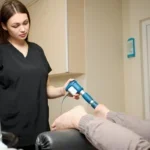
If you’re seeking relief from discomfort, physical therapy for back pain in Wayne, PA, offers a path to recovery and better overall health. Many individuals struggle with back issues, often unsure of how to manage their pain effectively. While professional therapy is crucial, there are several straightforward changes you can implement at home to complement your treatment and promote healing.

Creating a Supportive Environment
Your home should be a sanctuary for healing. To start, assess your living space and make adjustments that encourage comfort and mobility. Consider investing in ergonomic furniture, particularly if you spend long hours sitting. A supportive chair with proper lumbar support can make a significant difference in reducing strain on your back.
Additionally, decluttering your environment can help prevent accidents that may exacerbate your pain. Make sure pathways are clear and that you have easy access to necessary items without needing to stretch or bend excessively. These small changes can create a more supportive environment for your recovery.
Incorporating Gentle Movements into Your Routine
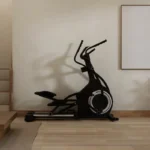
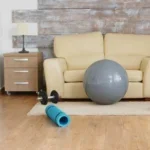
Incorporating gentle movements into your daily routine can enhance your physical therapy experience. Simple stretches and low-impact exercises can help maintain flexibility and strength without overexerting your back. Activities such as walking or yoga can promote blood flow and reduce stiffness, which is particularly beneficial for those undergoing rehabilitation.
Try to set aside a few minutes each day for these gentle movements. It’s important to listen to your body and avoid any activities that cause discomfort. As you progress, you may find that your physical therapist can suggest specific exercises tailored to your condition, further aiding your recovery process.
Mindfulness and Stress Reduction Techniques
Stress can significantly impact your experience with back pain. High levels of stress can lead to muscle tension, which may exacerbate discomfort. Incorporating mindfulness practices such as meditation, deep breathing, or progressive muscle relaxation can be beneficial. These techniques not only help to alleviate stress but can also improve your overall mental well-being, making it easier to engage in your physical therapy sessions.
Many patients have reported feeling more relaxed and focused after practicing mindfulness techniques, which in turn enhances their motivation to stay committed to their therapy. Consider dedicating a few minutes each day to these practices, allowing yourself the space to unwind and recharge.
Staying Hydrated and Nourished
Never underestimate the power of proper hydration and nutrition in your recovery journey. Staying hydrated helps to keep your muscles functioning optimally and can aid in reducing inflammation. Additionally, a balanced diet rich in antioxidants, omega-3 fatty acids, and essential nutrients can support healing.
Be mindful of foods that may contribute to inflammation, such as processed sugars and excessive saturated fats. Instead, focus on incorporating whole foods like fruits, vegetables, lean proteins, and whole grains into your diet. This nutritional foundation can provide your body with the tools it needs to recover more effectively.
Incorporating these simple changes into your daily life can significantly enhance your experience with physical therapy. By creating a supportive environment, engaging in gentle movements, practicing mindfulness, and maintaining proper nutrition, you can foster a holistic approach to recovery. For personalized guidance and support, consider visiting our clinic in Wayne, where our experienced team is ready to help you on your journey to recovery.
Frequently Asked Questions
What kind of home changes can help with my back pain recovery?
Creating a supportive environment is crucial for your recovery. Consider investing in ergonomic furniture that offers proper lumbar support, especially if you sit for long periods. Additionally, decluttering your space can help prevent accidents, making it easier to move around without straining your back.
How can gentle movements improve my back pain?
Incorporating gentle movements like stretches or low-impact exercises into your daily routine can help maintain flexibility and strength. Activities such as walking or yoga promote blood flow and reduce stiffness, which is beneficial during rehabilitation. Make sure to listen to your body and avoid movements that cause discomfort.
What mindfulness techniques can I use to help manage my back pain?
Practicing mindfulness techniques such as meditation, deep breathing, and progressive muscle relaxation can significantly reduce stress and muscle tension. This can enhance your overall well-being, making it easier to participate in your therapy sessions. Dedicating just a few minutes each day to these practices can help you feel more relaxed and focused.
Why is hydration important during my recovery?
Staying hydrated is vital for optimal muscle function and can help reduce inflammation. Proper hydration supports your body’s healing processes, making it easier for you to recover. Alongside hydration, a balanced diet rich in whole foods can further aid in your recovery journey.
What should I include in my diet to support my recovery?
A balanced diet rich in antioxidants, omega-3 fatty acids, and essential nutrients can significantly support your healing. Focus on incorporating whole foods like fruits, vegetables, lean proteins, and whole grains while avoiding processed sugars and excessive saturated fats. This nutritional foundation will provide your body with the necessary tools for recovery.
Get Directions to Bounce Back Physical Therapy
🎧 Listen to this as a podcast
Also on Apple Podcasts, Spotify, and Amazon Music.